
For years, channel partner loyalty programs have played an important role in helping brands strengthen relationships with distributors, dealers, retailers, contractors, and influencers.
The traditional approach was simple. Set sales targets. Reward achievements. Provide incentives. This model helped brands improve short-term sales performance and encourage participation. However, channel ecosystems have become far more complex.
Today, a distributor manages multiple brands. A retailer receives incentive schemes from several companies. An electrician, mechanic, or contractor may participate in multiple reward programs at the same time.
This creates a new challenge for brands. Your channel partners may be enrolled in your program, but are they actively engaged with your brand?
Many organizations measure loyalty by registrations, points issued, or rewards redeemed. However, these metrics do not always represent true channel partner loyalty. A partner can redeem rewards and still shift business when another brand provides a better incentive.
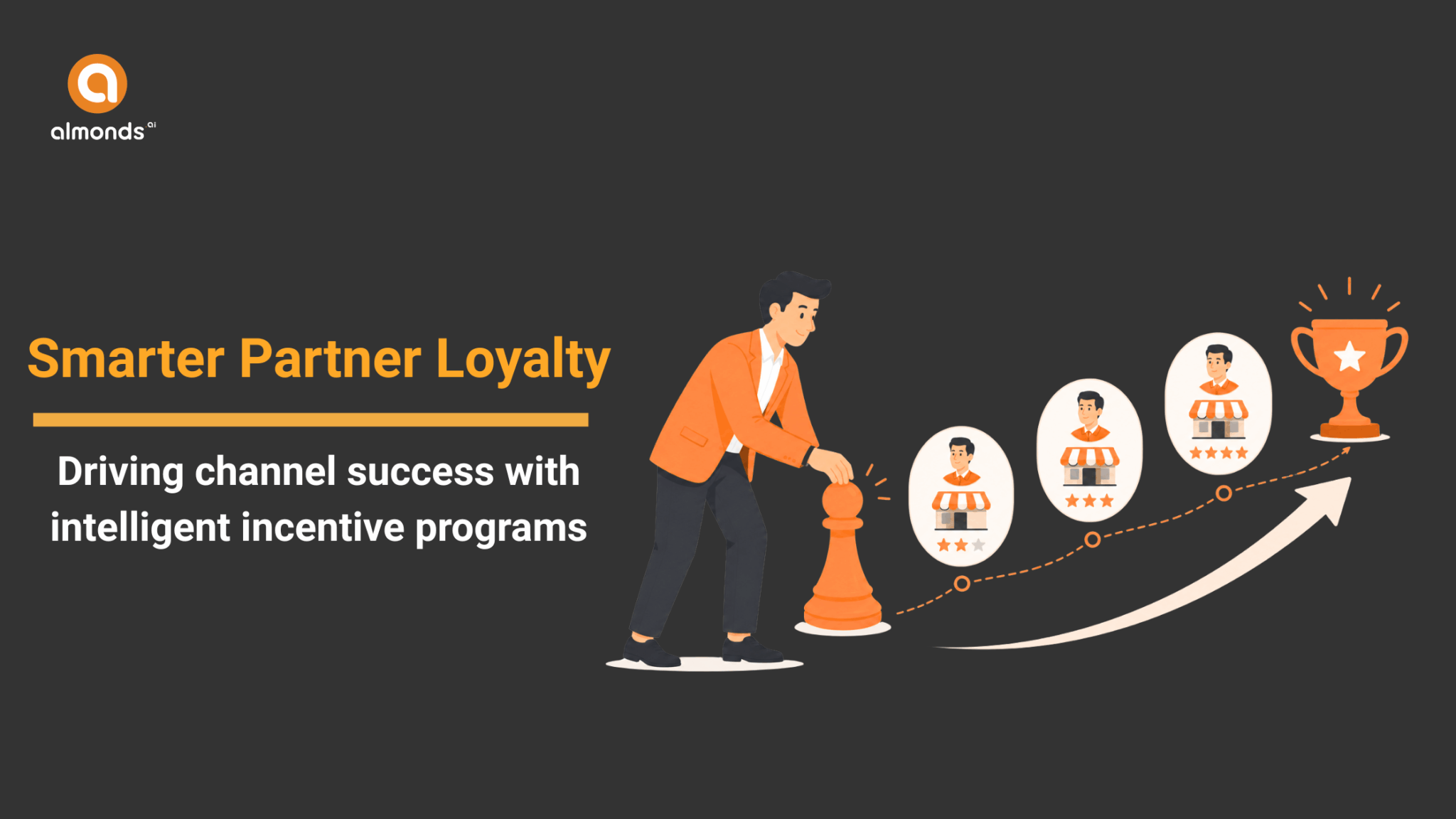
This is why leading organizations are redesigning channel partner loyalty programs from simple reward systems into intelligent engagement platforms focused on behavior, relationships, and long-term growth.
Why Traditional Channel Partner Loyalty Programs Are Losing Impact
Most traditional channel partner loyalty programs are built around transaction-based incentives. The more partners sell, the more they earn. While sales incentives remain important, relying only on transactions creates several challenges. Many brands experience:
- High enrollment but low active participation
- Dependence on increasing incentive budgets
- Limited visibility into partner behavior
- Difficulty engaging smaller partners
- Weak connection beyond schemes
In highly competitive industries such as FMCG, automotive, electricals, and building materials, partners often work with competing brands simultaneously. If loyalty exists only because of incentives, the relationship becomes vulnerable.
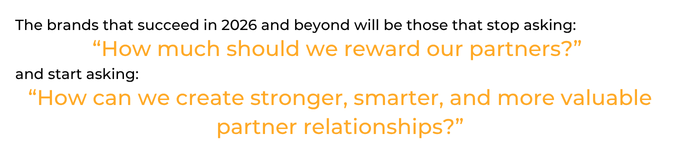
A competitor with a better short-term offer can easily influence partner preference. Modern channel loyalty strategies focus on answering a different question:
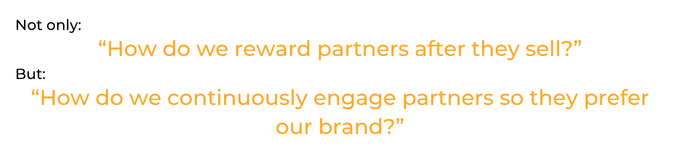
The Biggest Challenge: Channel Engagement Gap
One of the biggest issues brands face is the gap between channel partner enrollment and partner engagement. Launching a loyalty program can bring thousands of dealers or retailers onto a platform. But after launch, many brands struggle with:
- How frequently do channel partners participate
- Whether they understand new products
- Whether they complete training
- Whether they recommend the brand
- Whether they remain active after the campaigns end
This engagement gap directly affects business outcomes.
A highly engaged partner does more than complete transactions. They recommend products, educate customers, participate in campaigns, and become a long-term growth contributor. That is why channel partner engagement is becoming a strategic priority rather than only a sales support activity.
From Sales-Based Rewards to Behavior-Based Channel Loyalty
The future of channel partner loyalty programs is behavior-driven.
Sales will always remain important, but sales results are often influenced by activities that happen much earlier. For example, a retailer who understands a product better is more likely to recommend it.
A contractor who receives regular training is more likely to trust the brand. A distributor who actively participates in campaigns becomes easier to retain. Modern programs reward actions such as:
- Product training completion
- New product adoption
- Retail visibility improvement
- Customer referrals
- Digital platform usage
- Feedback participation
- Brand advocacy
This creates continuous engagement rather than occasional interactions during sales campaigns. The objective is simple. Reward the behaviors that create better business outcomes.
Personalization Is Becoming Essential in Channel Partner Loyalty Programs
A common mistake brands make is treating every channel partner the same. A large distributor, a regional dealer, and a small retailer do not have the same motivation. Their business size, challenges, purchase behavior, and expectations are different.
A one-size-fits-all loyalty program often fails because it ignores these differences. Modern channel loyalty platforms use data to create personalized engagement journeys.
For example, a new retailer may receive onboarding activities and product education. A growing dealer may receive achievement challenges. A top-performing distributor may receive exclusive recognition benefits. This creates a more relevant experience for every partner segment.
The future of channel loyalty is not about offering everyone the same reward. It is about creating the right motivation for every partner.
Role of AI in Modern Channel Partner Loyalty Programs
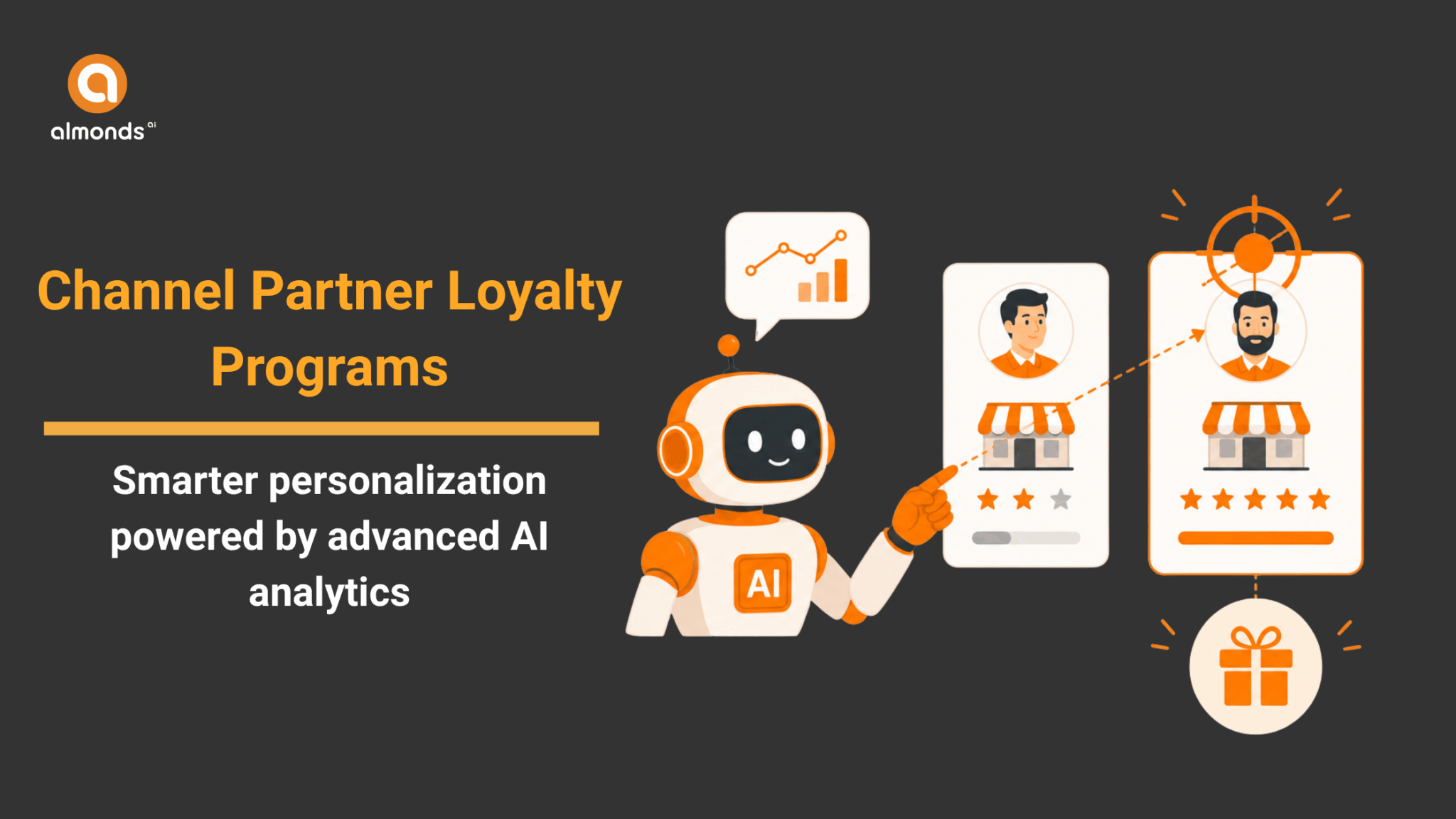
Managing thousands or millions of channel partners manually is extremely difficult. This is where artificial intelligence is transforming loyalty management. AI-powered channel loyalty platforms help brands understand partner behavior at scale. AI can help identify:
- Which partners are becoming inactive
- Which partners have growth potential
- Which incentives perform better
- Which campaigns drive engagement
- Which partners need attention
Instead of running the same campaign for everyone, brands can create smarter engagement strategies based on real data. AI transforms loyalty from reactive reward distribution into predictive partner management.
Gamification: Moving Beyond Leaderboards and Spin Wheels
Gamification has become an important part of channel partner engagement. However, effective gamification is not simply adding badges or lucky draws. The purpose of gamification is to create motivation and consistency. Modern channel loyalty programs use:
- Achievement journeys
- Learning milestones
- Progress tracking
- Performance challenges
- Recognition levels
These mechanics encourage partners to stay involved even outside sales cycles. For example, an electrical brand can create learning challenges for electricians. An automotive company can create certification journeys for mechanics.
A building materials brand can recognize contractors based on expertise and participation. Gamification works best when it supports business objectives rather than acting as entertainment.
How Different Industries Are Transforming Channel Loyalty
FMCG Channel Loyalty Programs
FMCG brands use channel partner loyalty programs to improve retailer engagement, increase product visibility, and strengthen distribution relationships. Channel programs now focus on retailer activation, campaign participation, and market expansion.
Building Material Loyalty Programs
Building material companies engage dealers, contractors, painters, electricians, and architects through training, rewards, and recognition programs. The goal is to create brand preference in a highly competitive market.
Automotive Channel Loyalty Programs
Automotive brands use loyalty platforms to engage dealers, mechanics, workshops, and spare parts retailers. Programs encourage product knowledge, genuine parts adoption, and long-term relationships.
Electrical and Electronics Loyalty Programs
Electrical brands increasingly engage electricians, contractors, and retailers through digital platforms that combine rewards, education, and community building.
Metrics Brands Should Track Beyond Reward Redemption
Traditional loyalty measurement focuses heavily on:
- Points issued.
- Points redeemed.
- Sales generated.
Modern channel partner loyalty programs measure deeper indicators. Brands should track:
- Active partner percentage
- Engagement frequency
- Training participation
- Campaign completion
- Partner retention rate
- Product adoption
- Sales growth by segment
- Partner lifetime value
These metrics provide a clearer understanding of relationship strength.
The Future of Channel Partner Loyalty Programs: 2026 and Beyond
The next generation of channel partner loyalty programs will be defined by who creates the strongest partner relationships, not by who provides the biggest rewards. Future-ready programs will combine:
- AI-powered personalization
- Behavioral engagement
- Gamification
- Channel partner analytics
- Recognition and Community
- Continuous communication
Brands that understand their partners better will build stronger distribution networks and gain a competitive advantage.
Conclusion
Channel partner loyalty is entering a new phase. Points and incentives will continue to play an important role, but they cannot be the only foundation of loyalty. A truly successful channel partner loyalty program creates engagement before, during, and after every transaction.